As nearing the end of the year, looking back at our company's battery shipments, the reigning champion is undoubtedly--- Diagnostic Battery.
So what is a diagnostic battery? What is its function? Why are customers so keen to buy diagnostic battery? How are they different from ordinary battery? This article will reveal the answers to these questions.
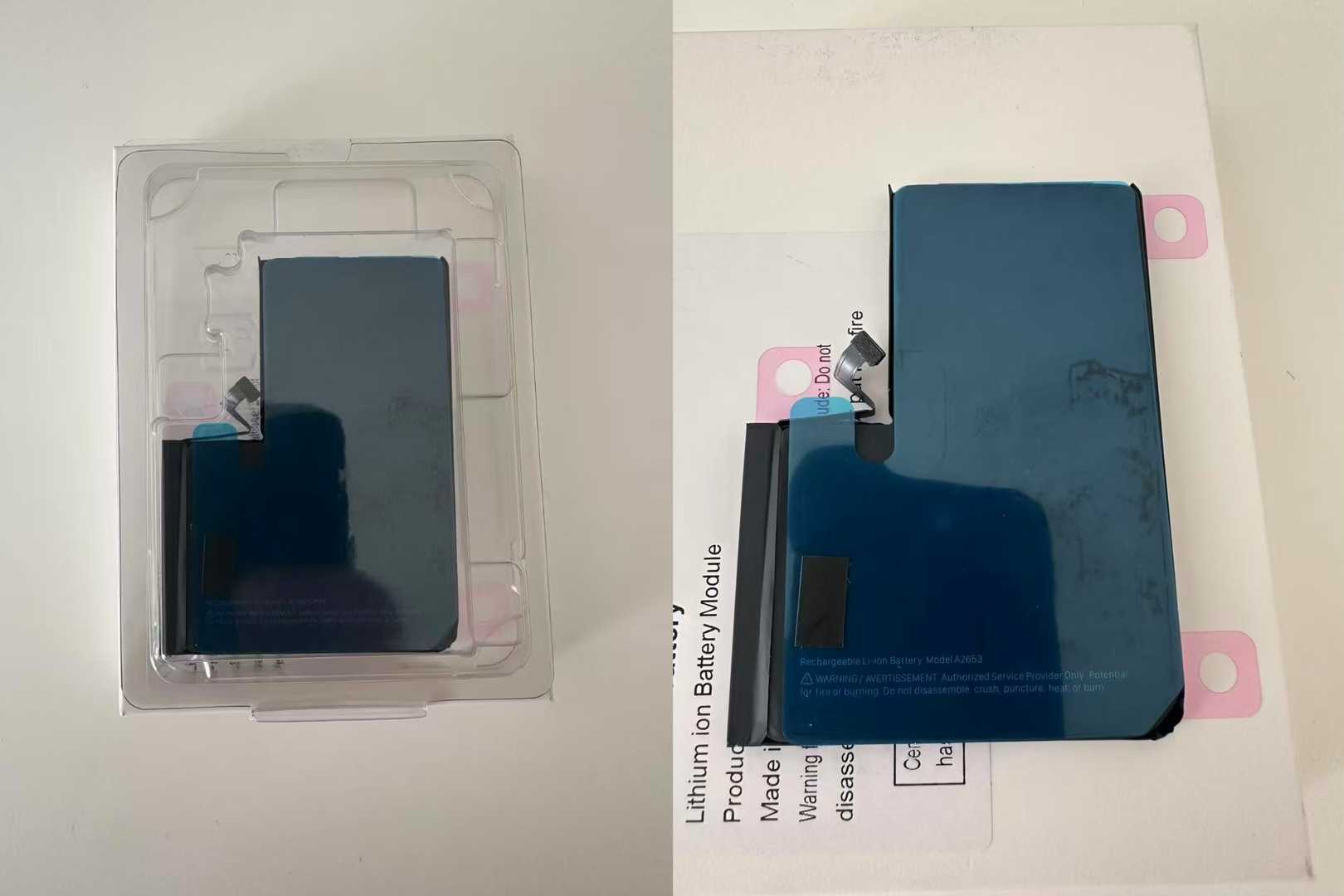
II) Why is diagnostic battery necessary?
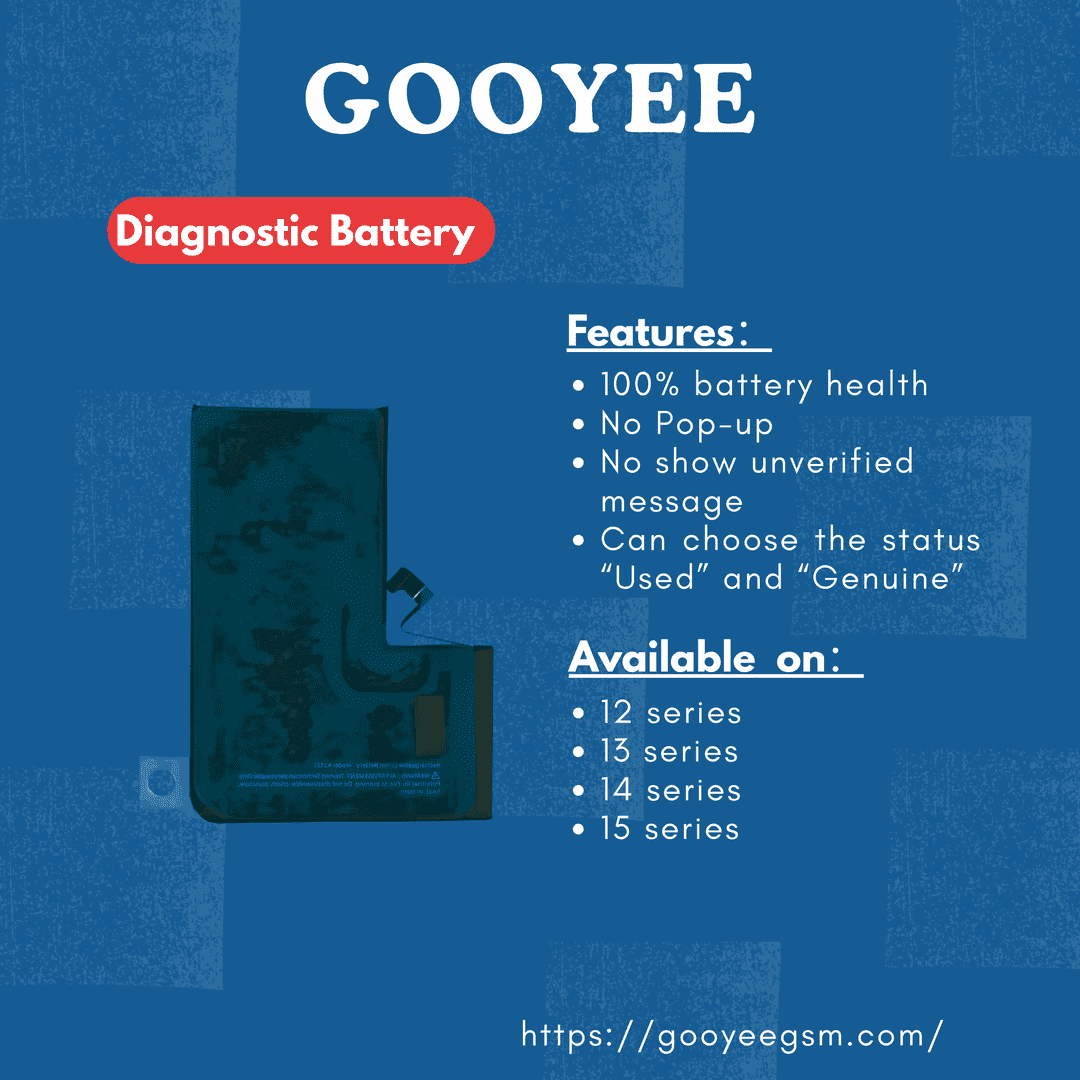
(III) How to run diagnostic battery?
(iv) What are the possible results for diagnostic battery?
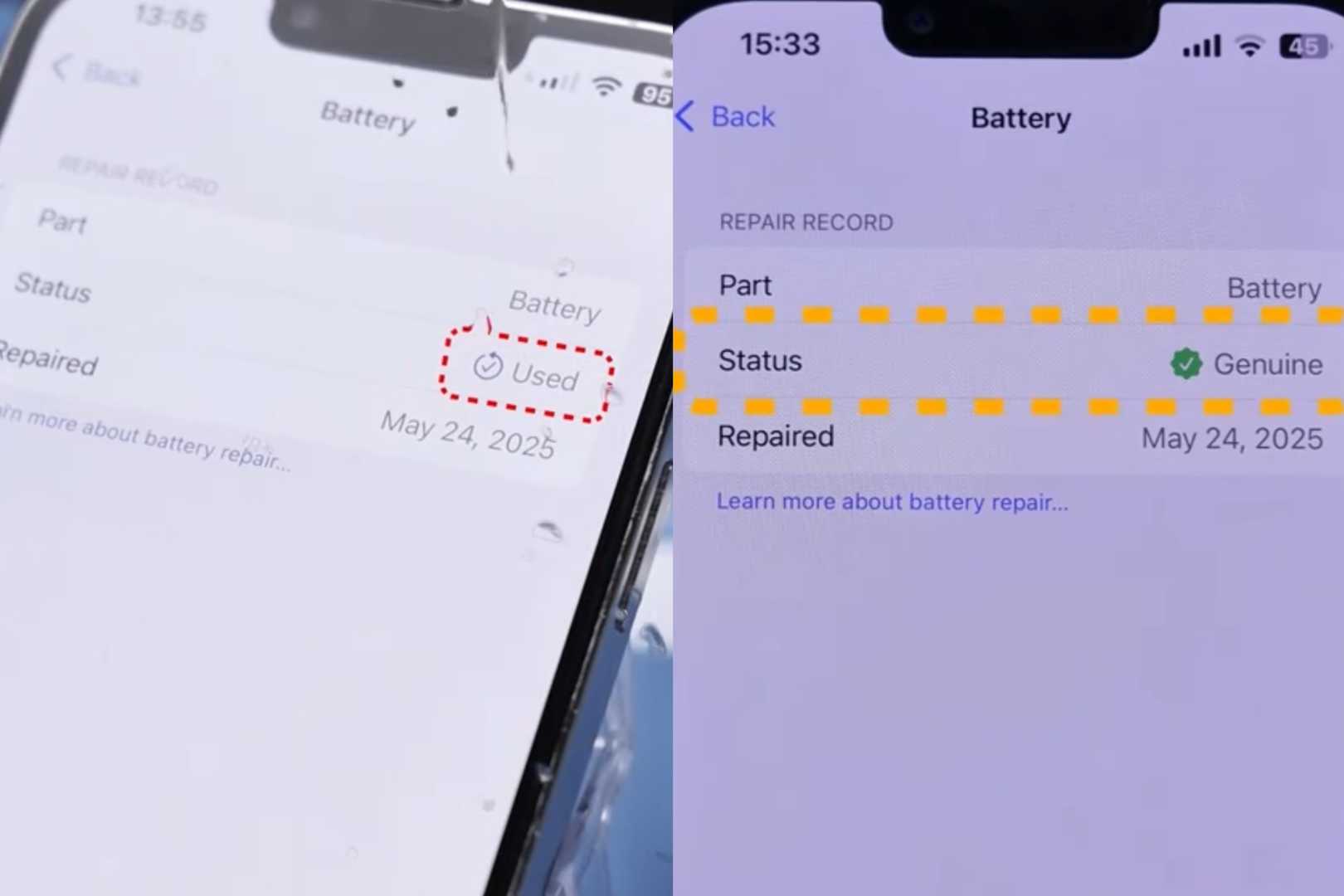
(V) Comparison with Ordinary Battery?
We will discuss the differences from software
identification, price, and user experience.
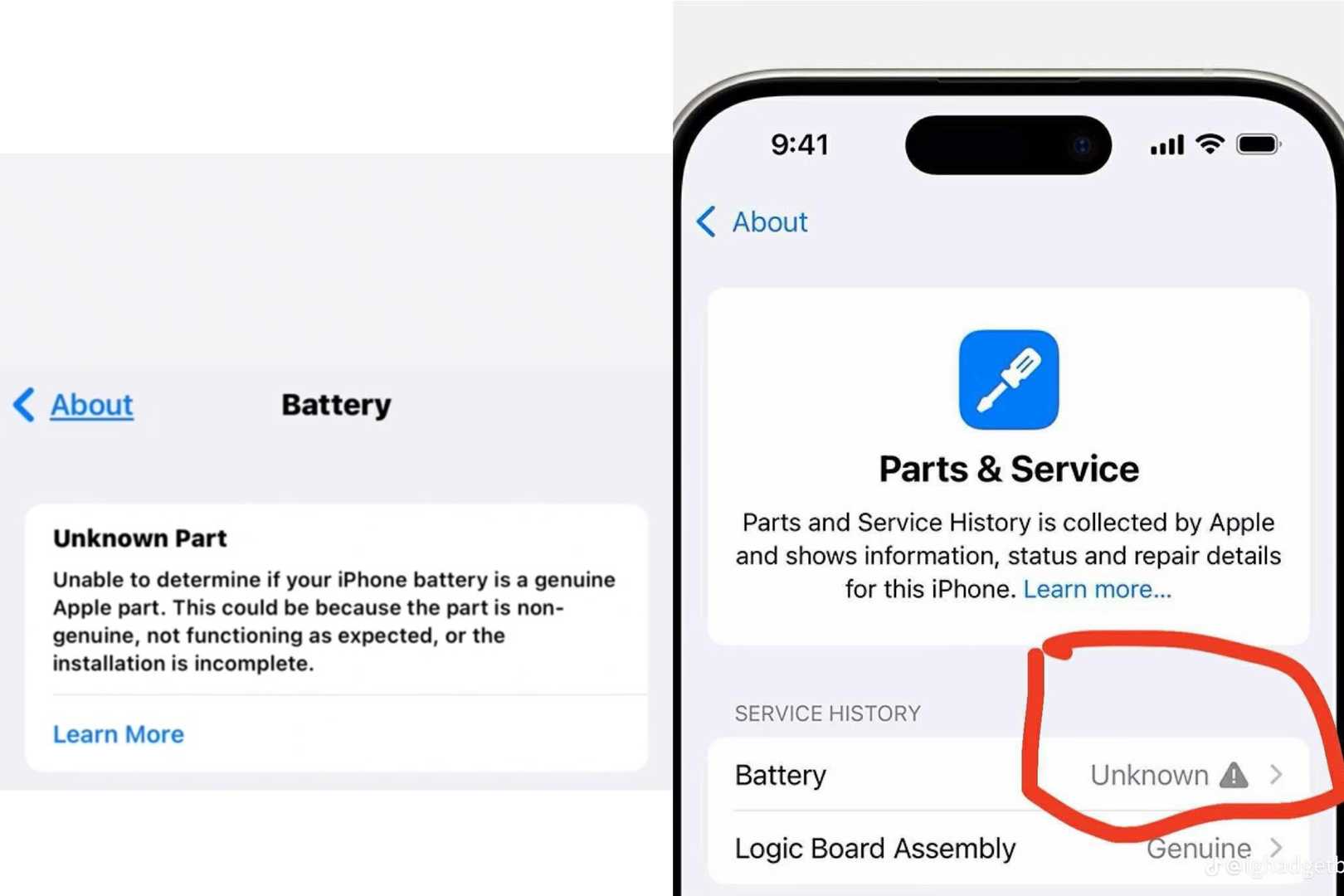
Regarding software identification, diagnostic battery that can run diagnostic are perfectly
recognized by the phone's system. However, third-party ordinary battery are
often detected by the system and displayed as "Unknown Part." Once
this message appears, not only will the battery health not display correctly,
but pop-up message may also appear intermittently reminding you that the
battery has a problem.
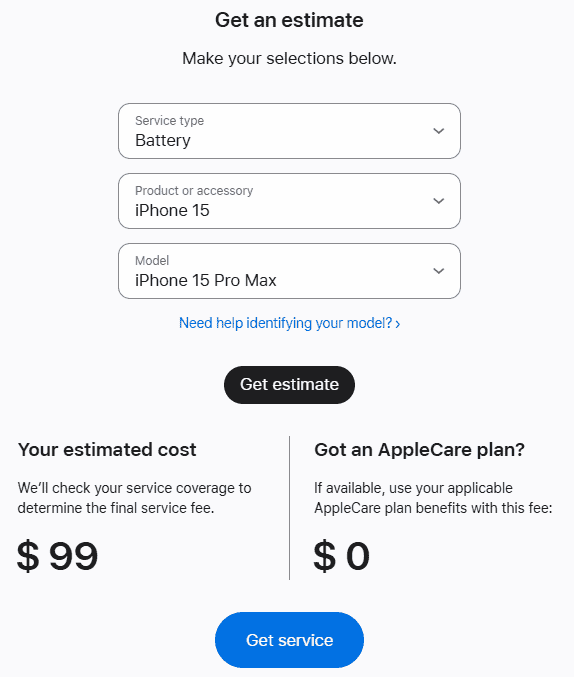
Regarding price, original diagnostic battery that are relatively expensive. For example, for iPhone 15 Pro Max, the original diagnostic battery replacement cost is as high as $99 (about 697.95 RMB); the price shown that "Genuine" diagnostic battery is generally $22.69 (about 160 RMB), and the price shown that "used" diagnostic battery is generally $9.92 (about 70 RMB). Ordinary battery (pure cobalt 1:1) generally cost $8.22 (about 58 RMB).
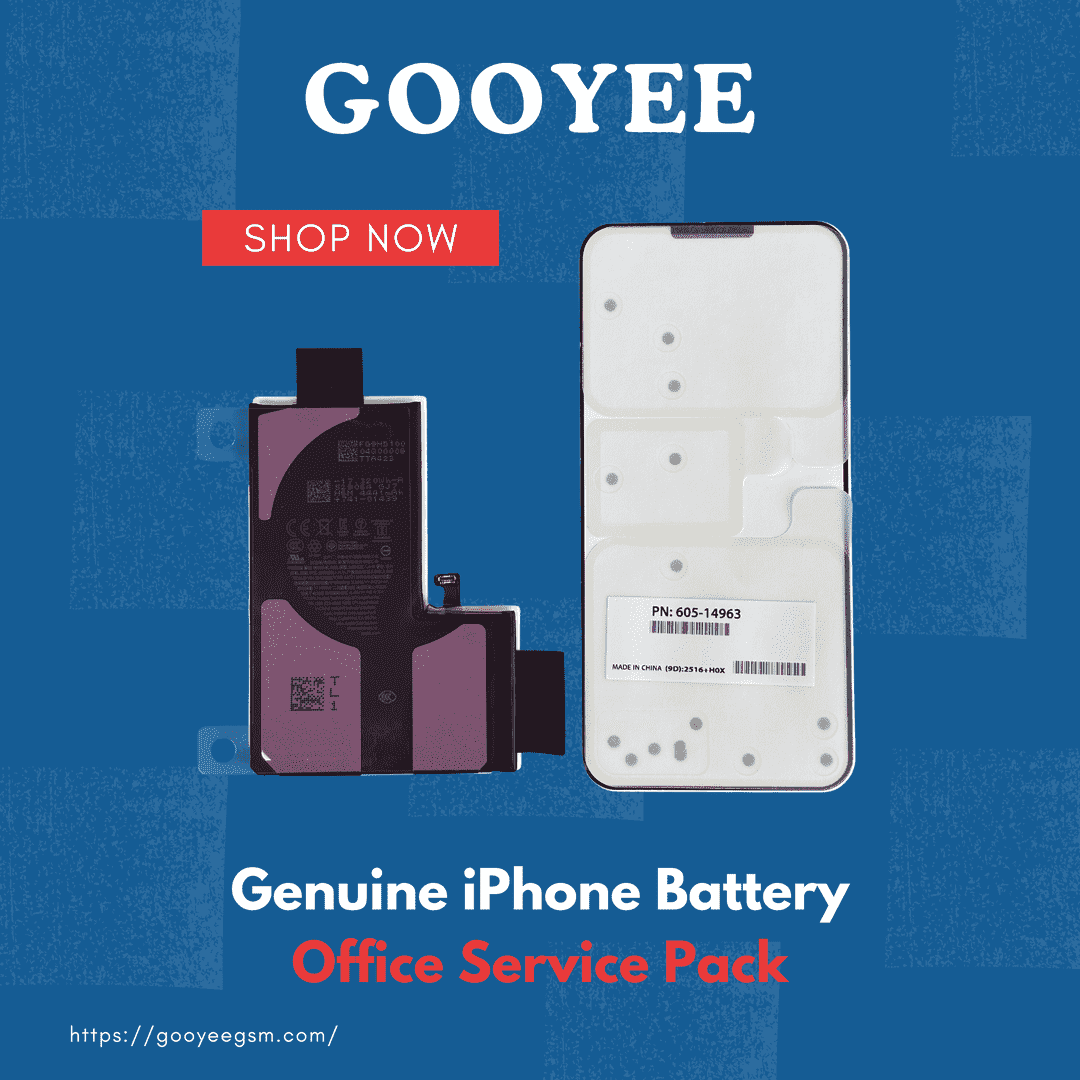
Regarding user experience, diagnostic battery offer better compatibility with iPhone, providing stable power support and ensuring smoother operation. Furthermore, the diagnostic function allows users to monitor the battery's health at any time and take proactive measures. Third-party ordinary battery, on the other hand, vary in quality; some may experience short battery life, slow charging, excessive overheating, and even affect the phone's lifespan.
In short, from the consumer's perspective, diagnostic battery is an after-sales service offered by Apple for original battery that have suffered excessive wear and tear. Considering both consumer psychology factors and cost-effectiveness, customers tend to prefer using diagnostic battery over ordinary third-party batteries.